
Recent Work
Every response begins with listening. We work alongside local churches, organizations, and community leaders to understand what is needed and where GDR can be of value. These updates show some of the ways our team and partners have responded.
Honduras 2026
At the invitation of Via Love International, GDR’s Advance Resource Assessment Team spent four days in Honduras, ahead of the rainy and hurricane season. The team visited ministry sites, met with local leaders, and assessed facilities, transportation, community vulnerabilities, and Via Love’s capacity to respond to a disaster.
Via Love has strong community programs and a clear vision for its work. The assessment identified a few significant opportunities to strengthen disaster preparedness, including resilience training and support for future development plans.
The team returned home and is planning next steps with Via Love. This is part of GDR’s approach: working alongside local partners before a disaster to help them prepare for the communities they serve.
-
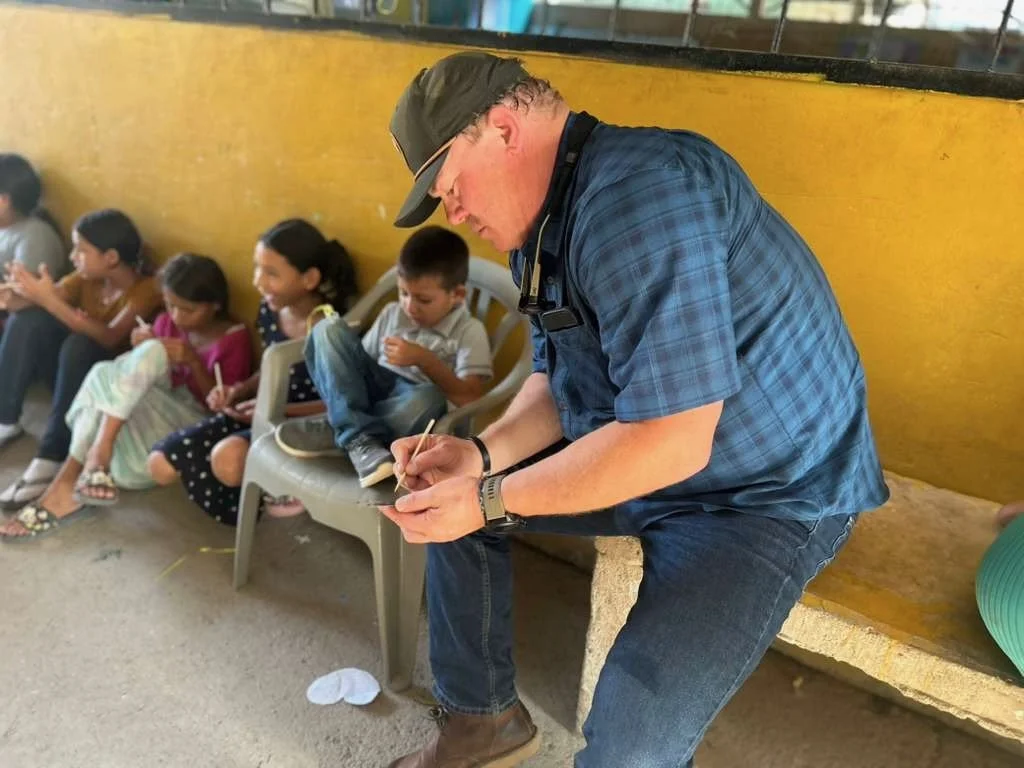
Listening to the Community
GDR’s assessment team spent time with Via Love International and the people its programs serve. Listening and observing helped the team understand local needs ahead of hurricane season.
-
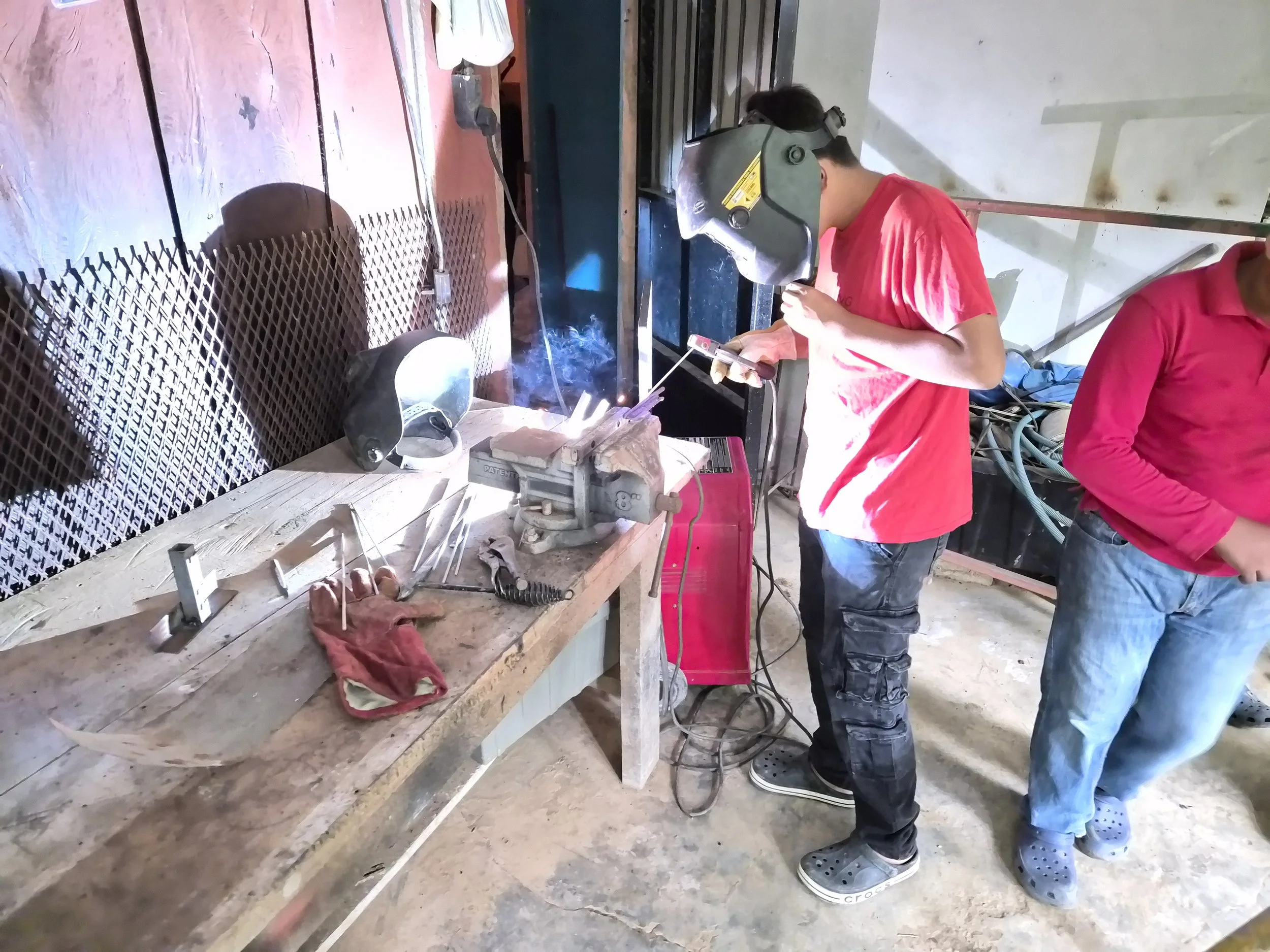
Assessing Local Resources
The team visited Via Love’s facilities and looked at the resources available for a future response. This assessment will help identify practical ways to strengthen preparedness.
-
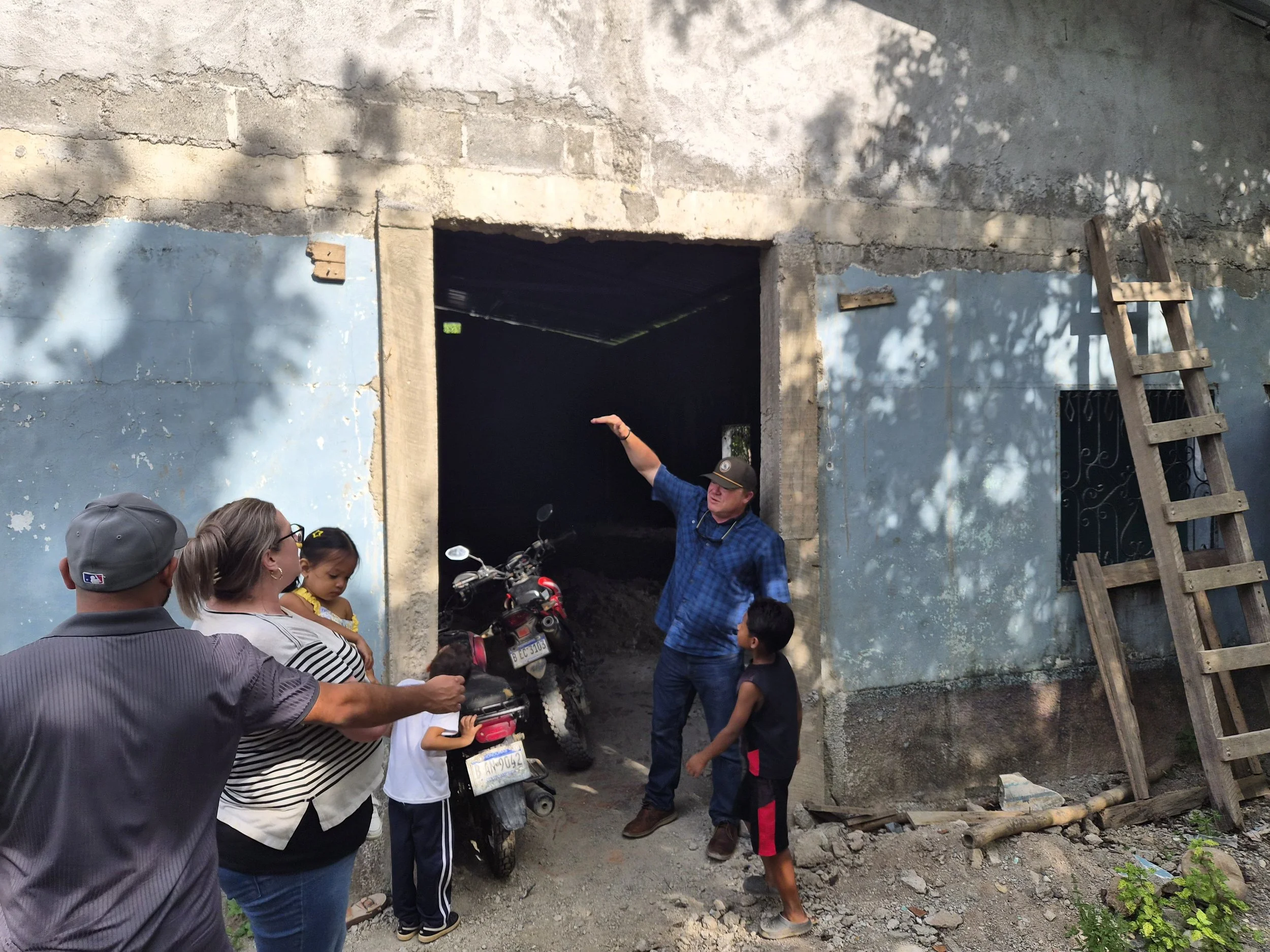
Planning for What Comes Next
GDR met with local leaders to discuss community vulnerabilities and response capacity. The team has returned home and is planning next steps with Via Love.
India 2025
After violence and persecution forced families to leave their homes, local partners called on GDR for support. These families are living in a rural area of India with limited resources. Working through a local church and a newly established relief committee, funds were provided to purchase food. The committee began organizing distribution of rice, lentils, and cooking oil for families in need. Food is being purchased locally where possible. GDR continues to stay in touch with local partners, monitor the situation, and assess where further support could be most useful.
-
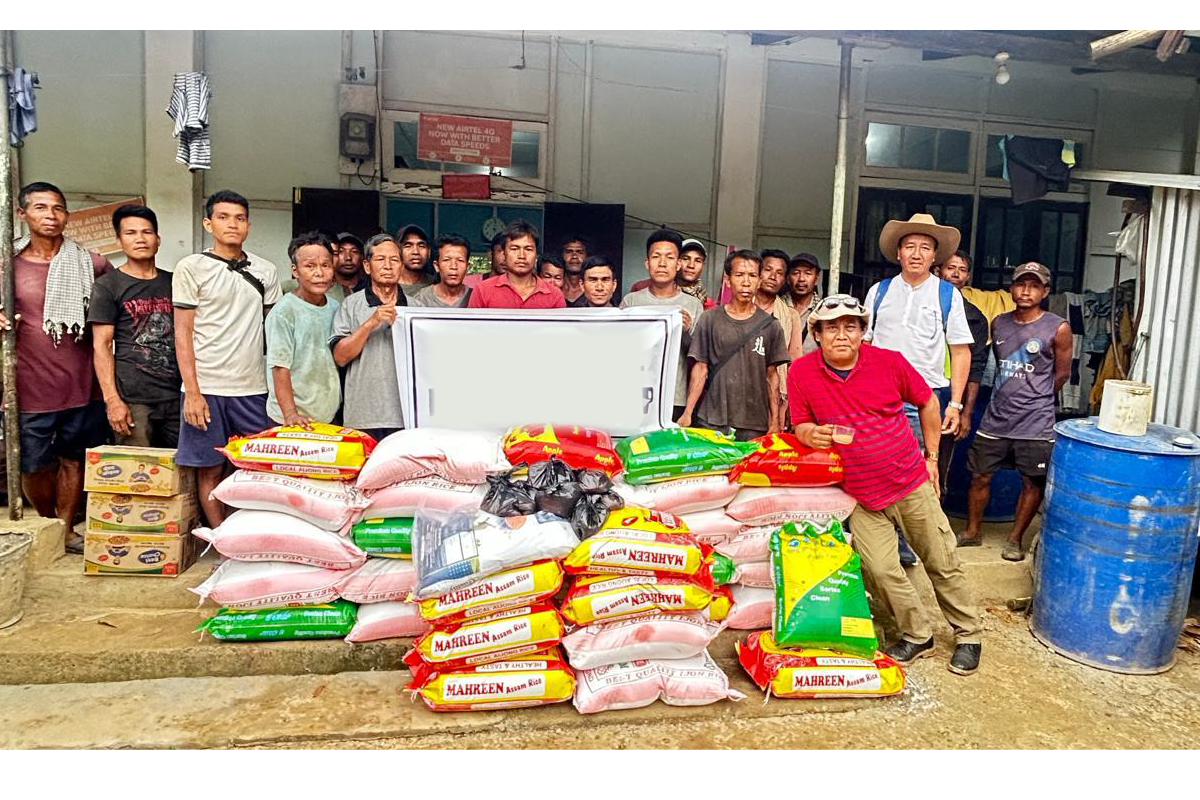
Food for Families
Local partners received funds to purchase rice, lentils, and cooking oil for displaced families. Buying food locally helps make the most of the available funds.
-
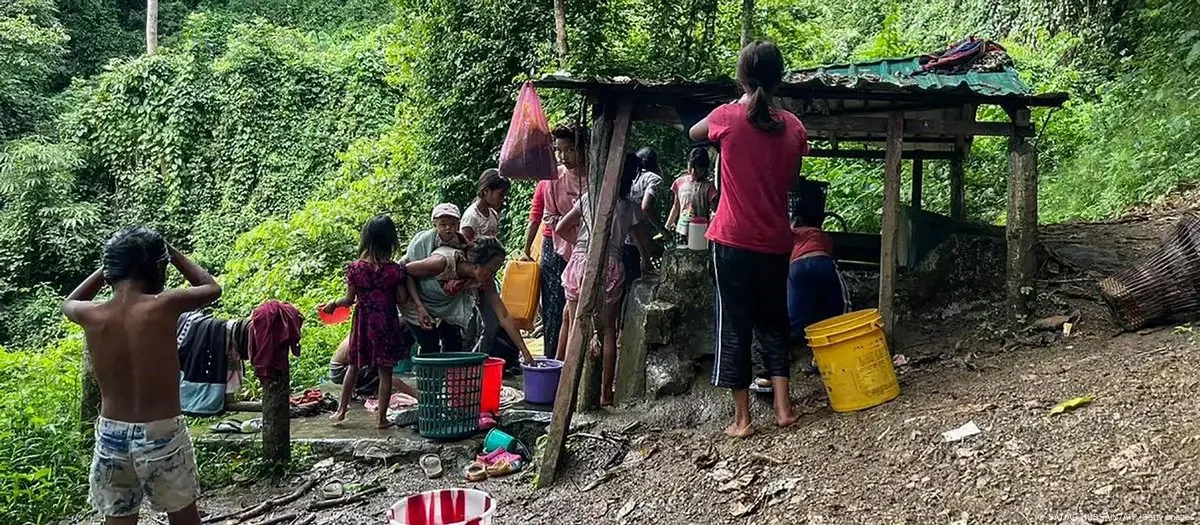
Temporary Shelter
Families are living in makeshift shelters with limited resources. GDR remains in contact with local partners to better understand their needs and where further support may help.
-
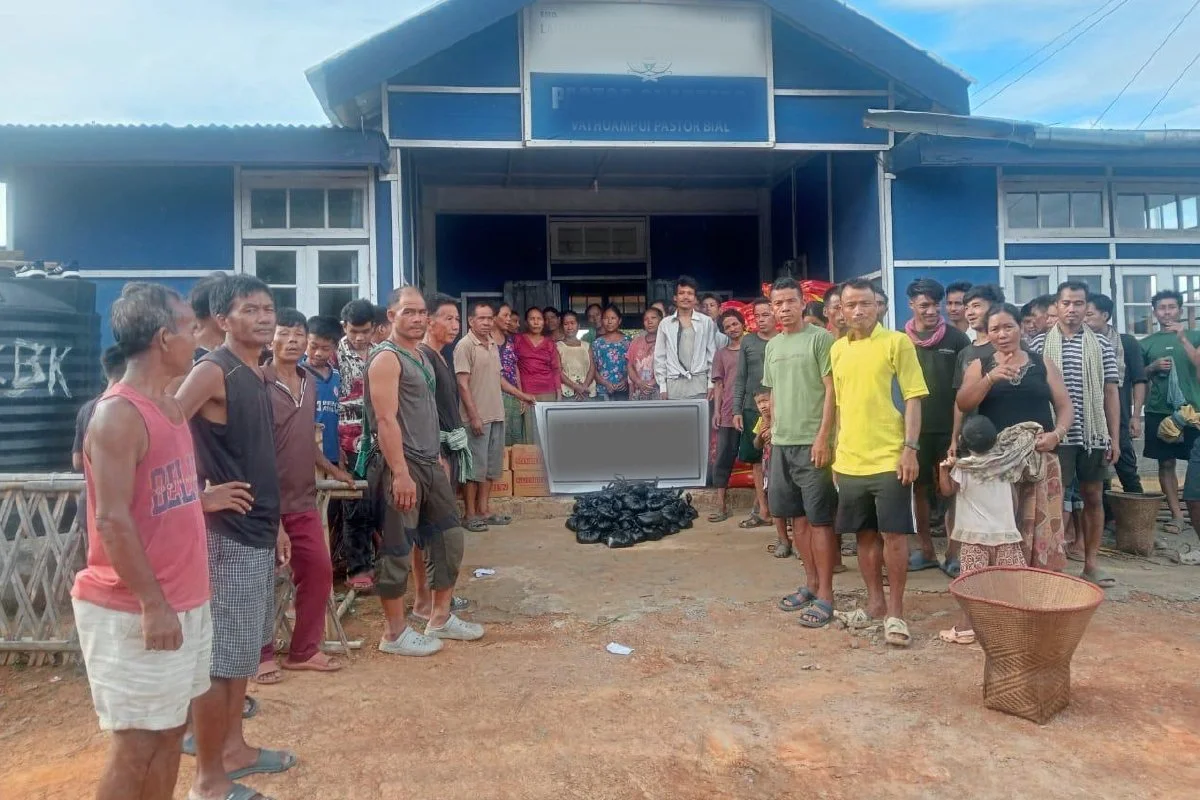
Community-Led Distribution
A local relief committee is organizing food distribution with the church. Their knowledge of the community helps them coordinate assistance for families in need.
Ukraine 2024
On 24 February 2022, Russia invaded Ukraine in a major escalation of the Russo-Ukrainian War. According to the UNHCR, this created at least 6.5 million refugees.
Even before the invasion, GDR did situation analysis work for missionaries in Ukraine. For several months prior to the war we provided intelligence overviews to guide decisions. We correctly determined from open sources that the build up of equipment on the border was too extensive for only a show of force.
-

Odessa
One of our counselors, supported by materials from GDR, has been in weekly contact with a counseling center in Odessa since the fourth day of the fighting. He advises and supports those who are debriefing and assisting victims. The staff at the Odessa Springs Counseling Center have been able to decompress and maintain their high level of assistance and compassion during the war because of this support.
-

Svitlovodsk
GDR began supporting Calvary Chapel Network and City To City in Svitlovodsk in June 2023. The church plant there has been assisting internally displaced people (IDPs) since the beginning of the war. They have been doing this work for over 24 months, serving a refugee population of over 8,000 who have settled in the town of 50,000. Most are unemployed and homeless. The church is the only provider in the city of regular monthly food packages for these families, as well as hygiene supplies. This outpouring of care for the IDPs has come at great personal cost to the church members. This was apparent from our initial Zoom contacts with the leaders there. We formed an assessment team and were the first Americans to visit their church since the intense fighting started.
-

Ternopil and return to Svitlovodsk
After the assessment in June, GDR began developing training specifically for the churches in Ukraine. This training focused on burnout prevention and resilience building. The training and fundraising were completed for a return in January 2024. We expanded our focus to include other Calvary Chapel churches in Ukraine as well as the counselors from Odessa. The training was well received, and we continue to provide online support.
Turkey 2024
On 6 February 2023, a 7.8 magnitude earthquake struck southern and central Turkey and northern and western Syria. It was followed by a 7.7 magnitude earthquake and then more than 10,000 aftershocks in the weeks that followed. An estimated 14 million people were affected. It is the deadliest earthquake worldwide since the 2010 Haiti earthquake and the fifth-deadliest of the 21st century. Our team assessed the area in and around Antakya, in the Hyat Province.
-

Situation analysis and field work
Our GDR team worked with City to City in Antayka, Hyat Province. We provided an assessment team and advised several NGOs while there. Before departing for Turkey, we conducted extensive online intelligence gathering and talked to organizations on the ground to generate a clear picture of the situation. Situation analysis is one of our specialities.
-

Assessment
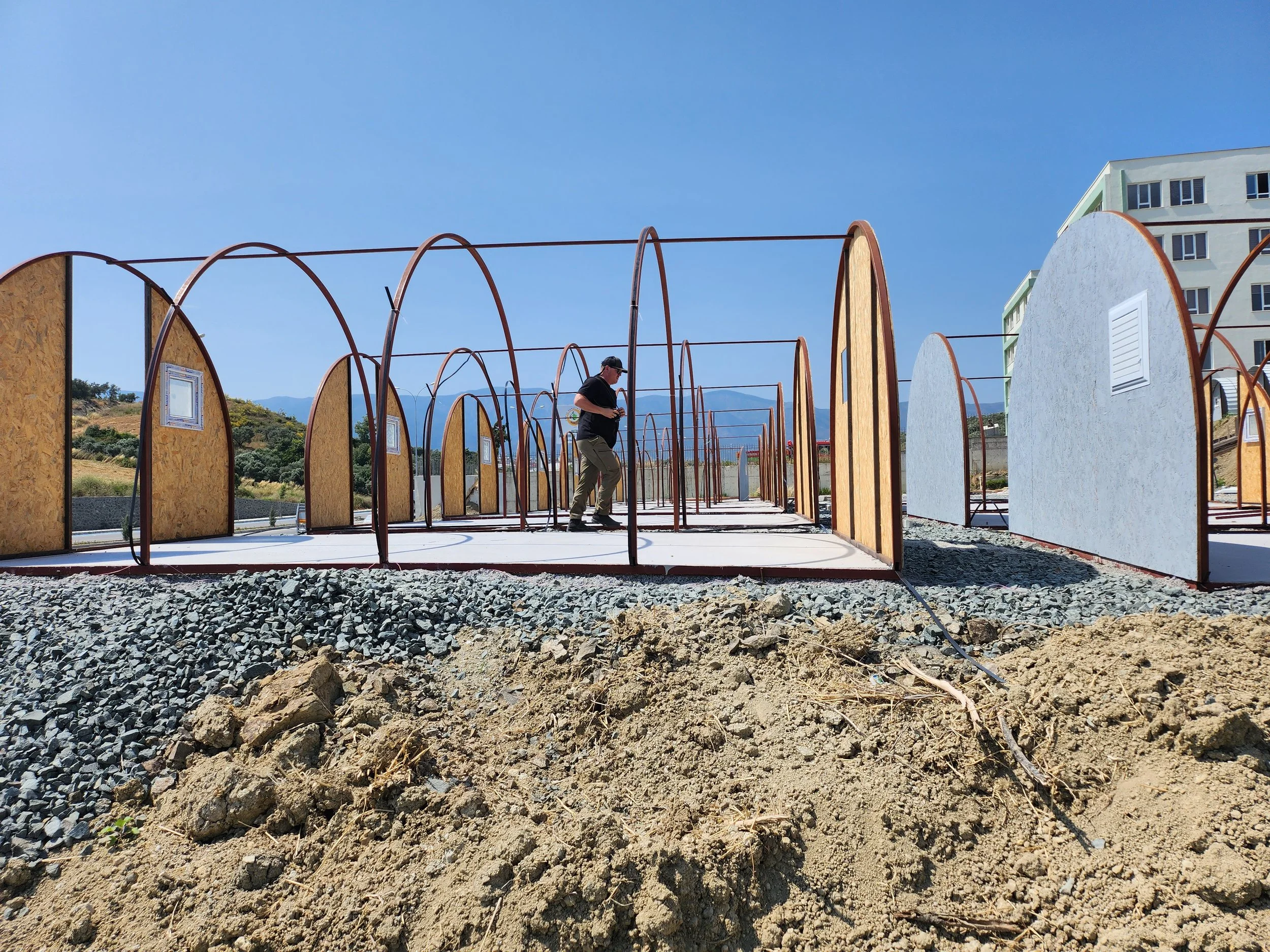
Assessment is a key to providing the right support at the right time, in a culturally-appropriate way. GDR fields its own assessment team to ascertain what resources already exist as well as the capabilities of the groups we are working with. In Turkey, this involved reconnaissance of the disaster zone and sit-down meetings with group leaders and local victims.
-

Meeting victims
Often victims refuse to leave the disaster zone. Closeness to their former homes can bring mental relief. They may want to be able to retrieve belongings, or only have a legally tentative hold on the property. In this case, we visited with a family who were staying nearby so their son from Germany could find them when he came to help.
Honduras
GDR has been working in Honduras since 1998 in a variety of roles from
-

Hurricane Mitch
Global Disaster Response has a deep connection to Honduras. After Hurricane Mitch hit in 1998, our responders began reconstruction of individual homes on the island of Gunaja. This led to long-term efforts in many areas, including outreach and dentistry. We now work on the island and the mainland with a variety of ministries.
-

Ascenso
Over the past two years, GDR successfully conducted our first comprehensive international Disaster Response Training program. We partnered with Ascenso, a ministry group based in Comayagua, to enhance their disaster response capabilities. Through a combination of onsite and remote training sessions, we equipped a team of responders with the skills needed to effectively manage disasters in this hurricane-prone region.
-

Comayagua
Our work with local groups and ministries allows us to bring our skill sets: construction, medical clinics, community health and crisis support. The local workers can then integrate it with their specialties. In addition, we create a sustainable solution, working with partners on the ground long after the disaster has passed.